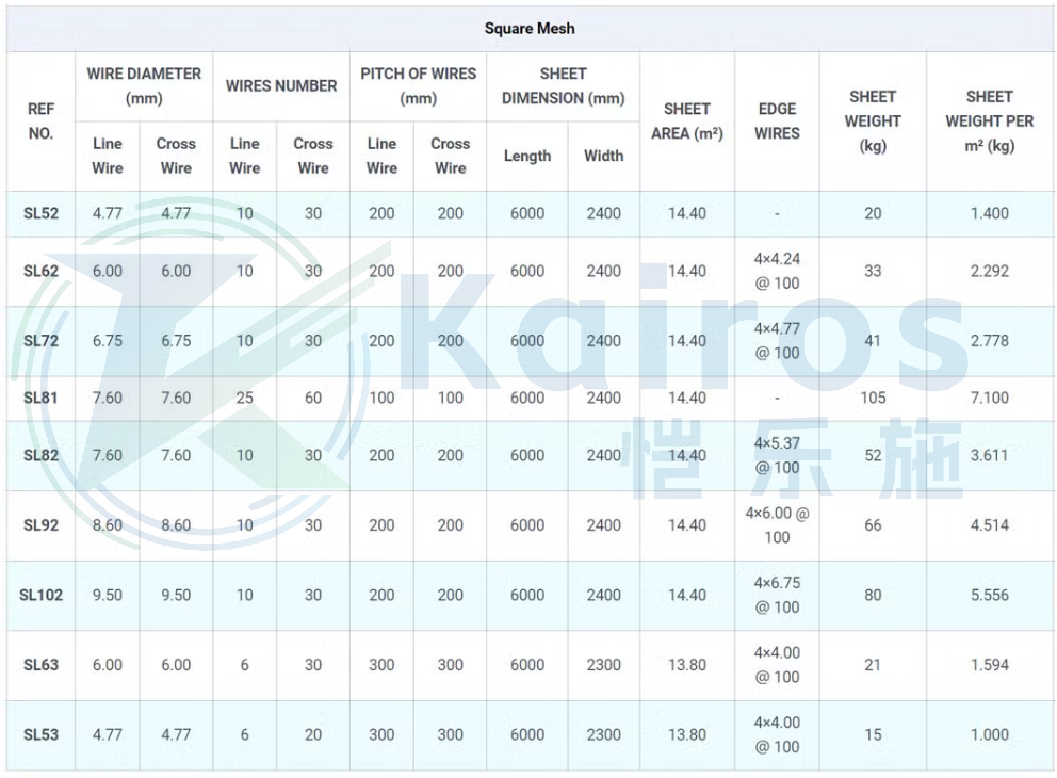
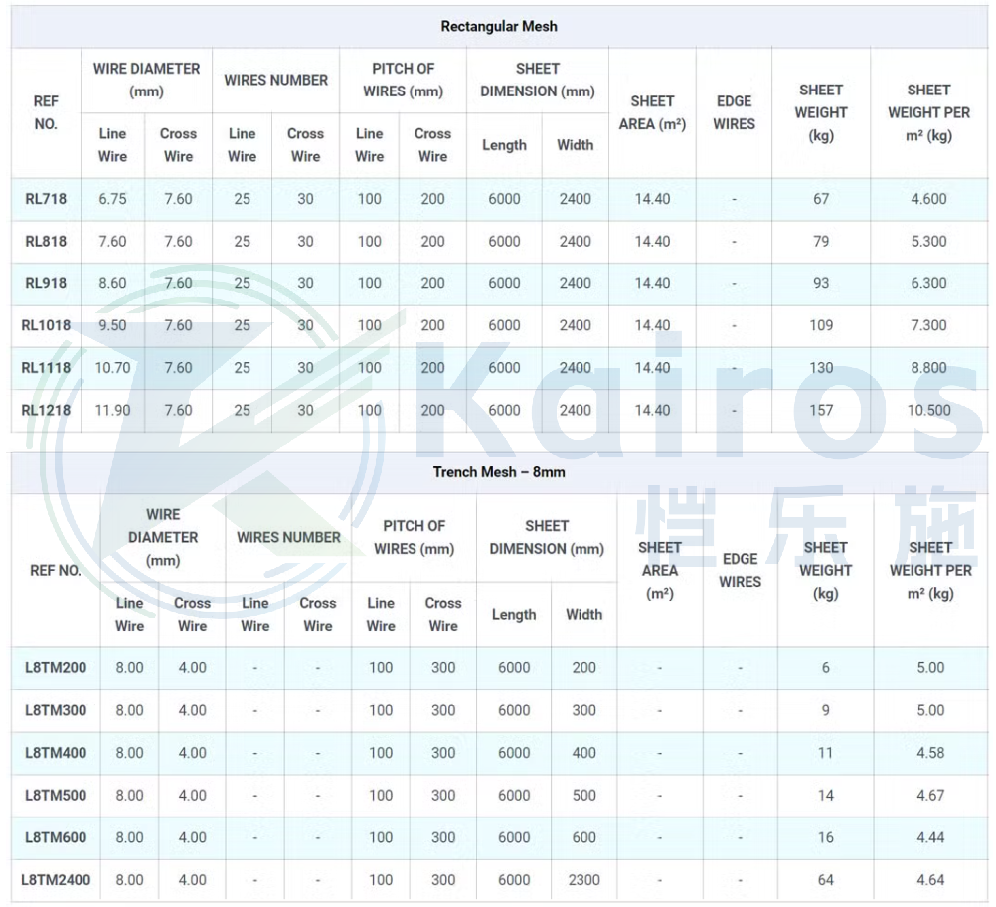
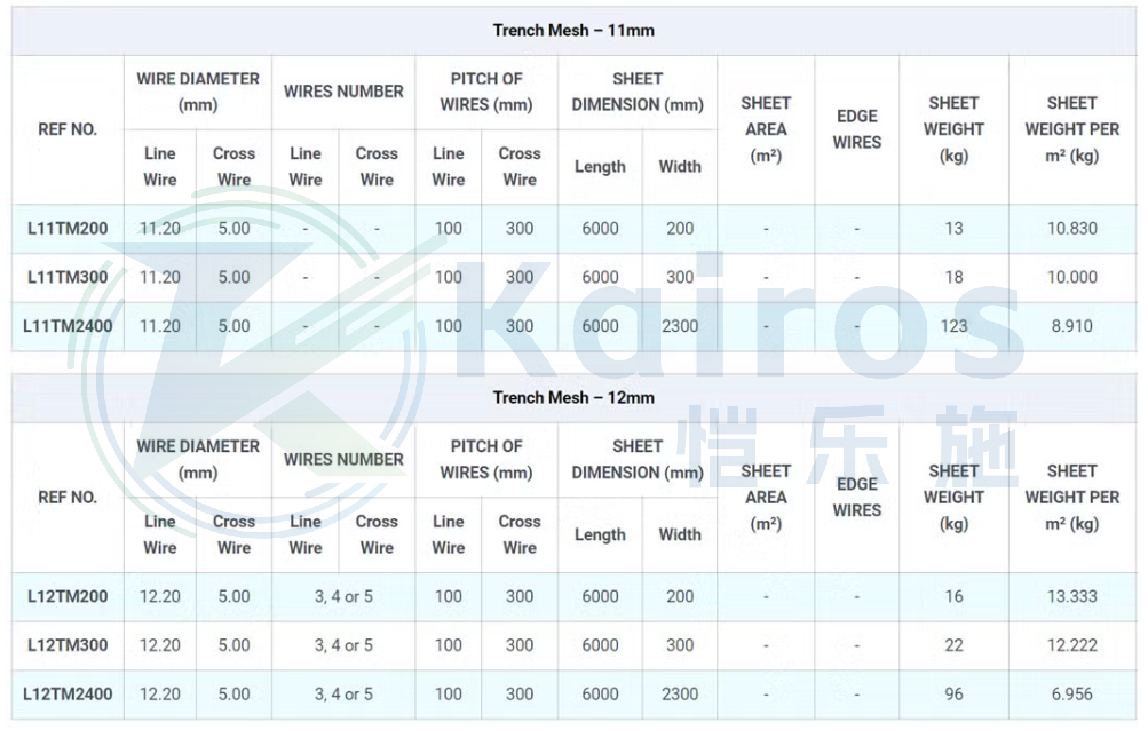
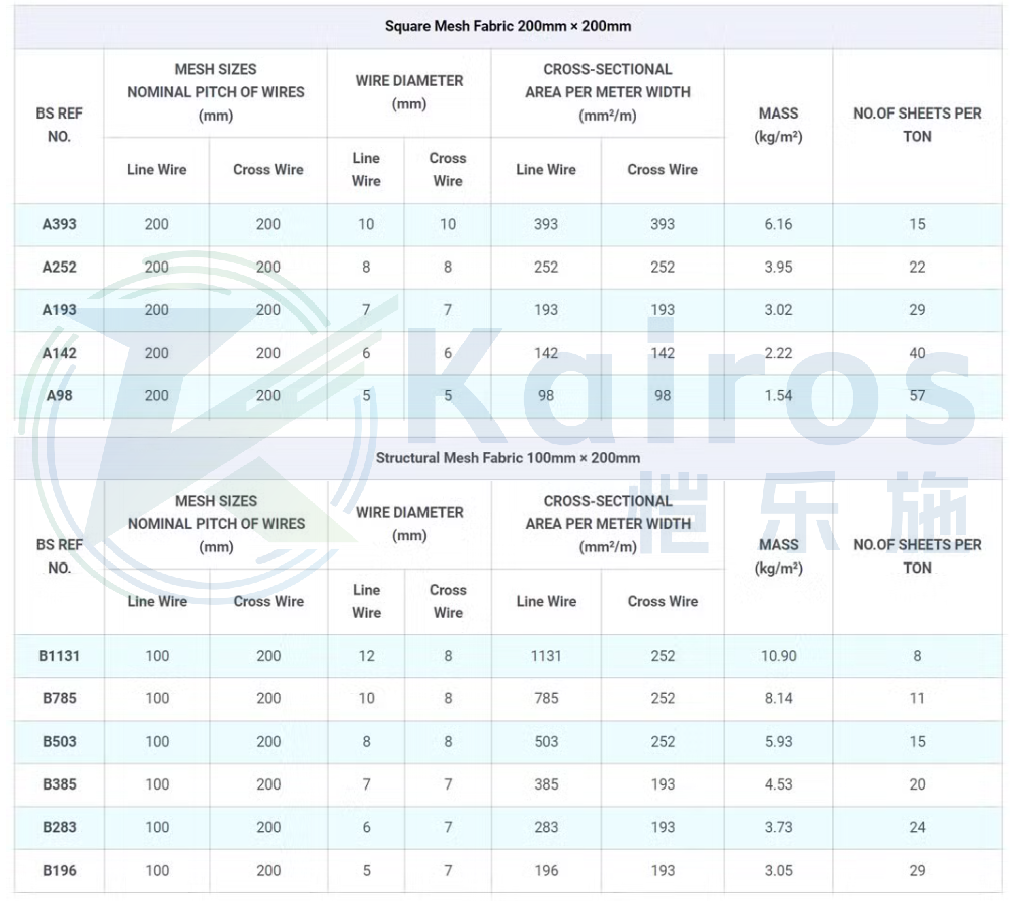
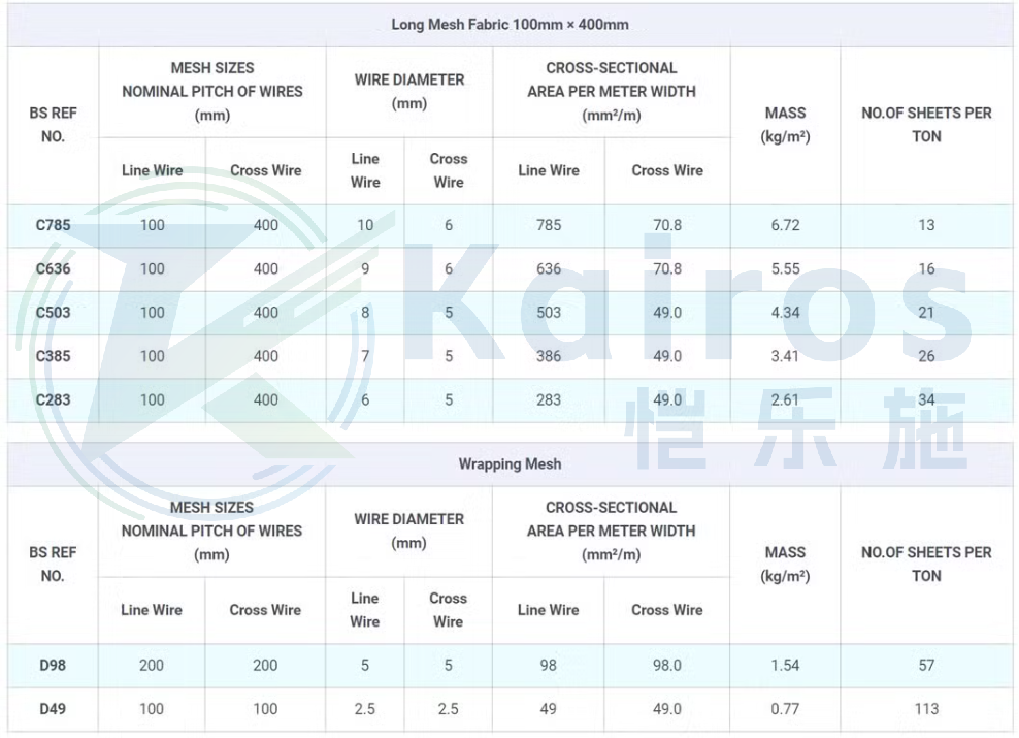
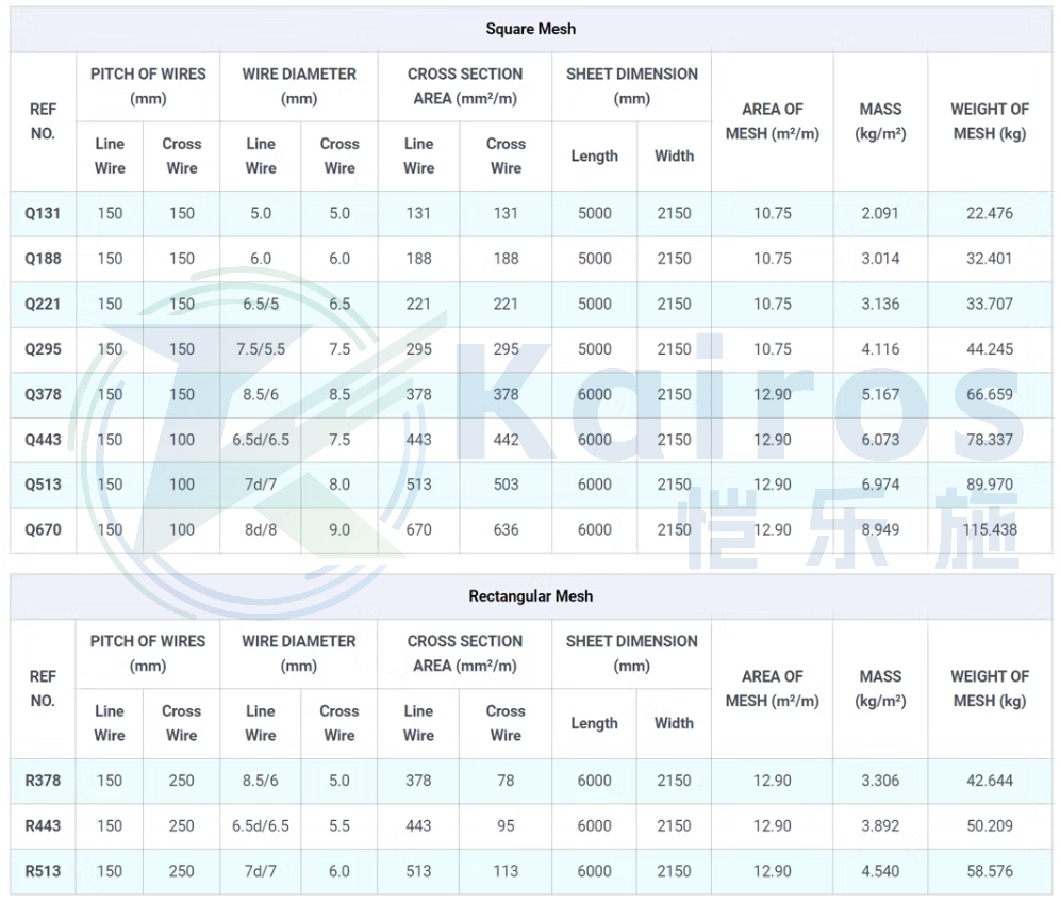
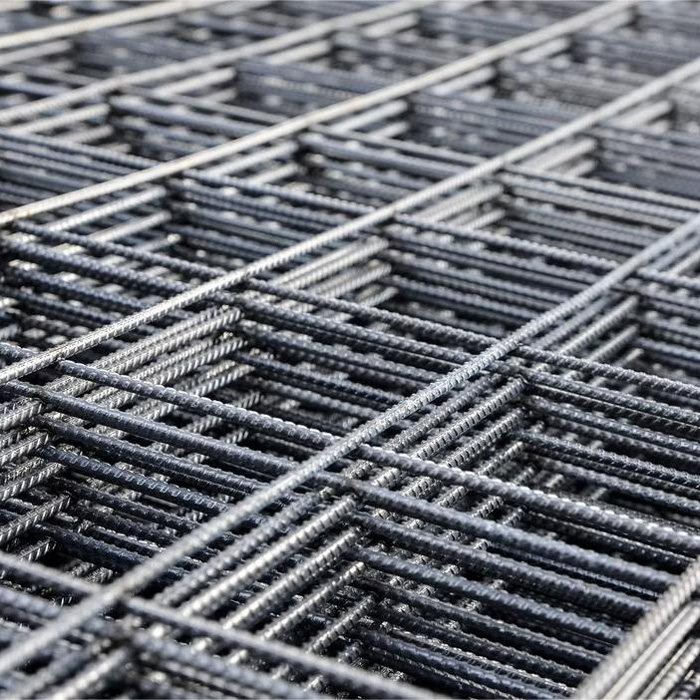
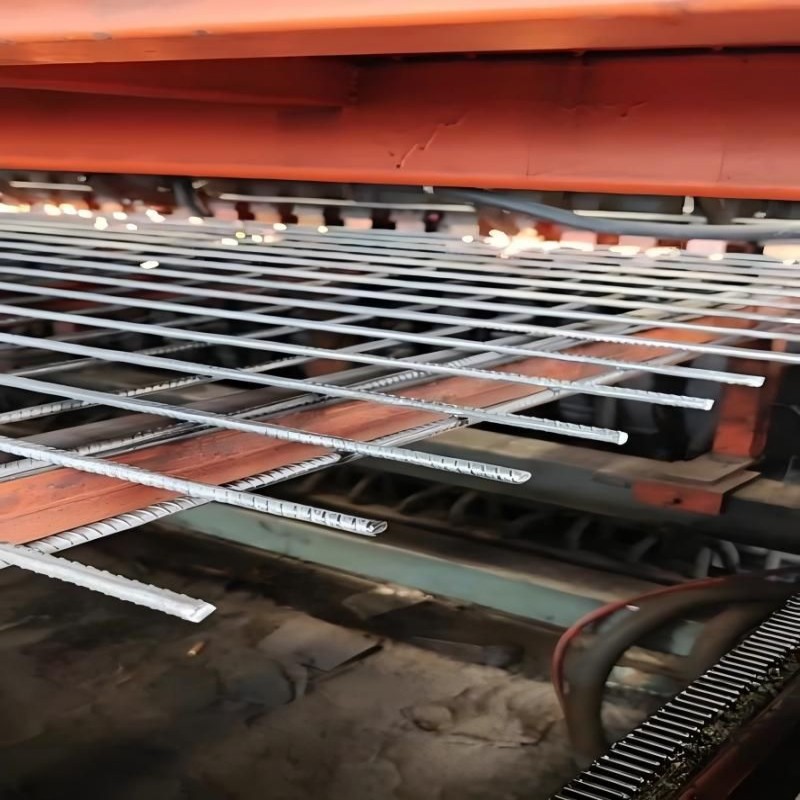
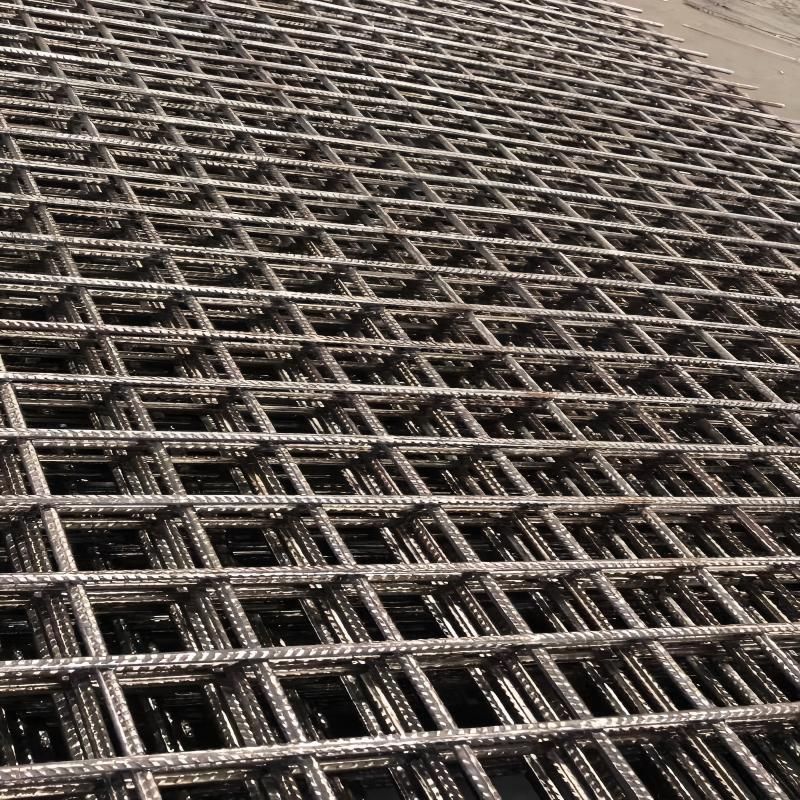
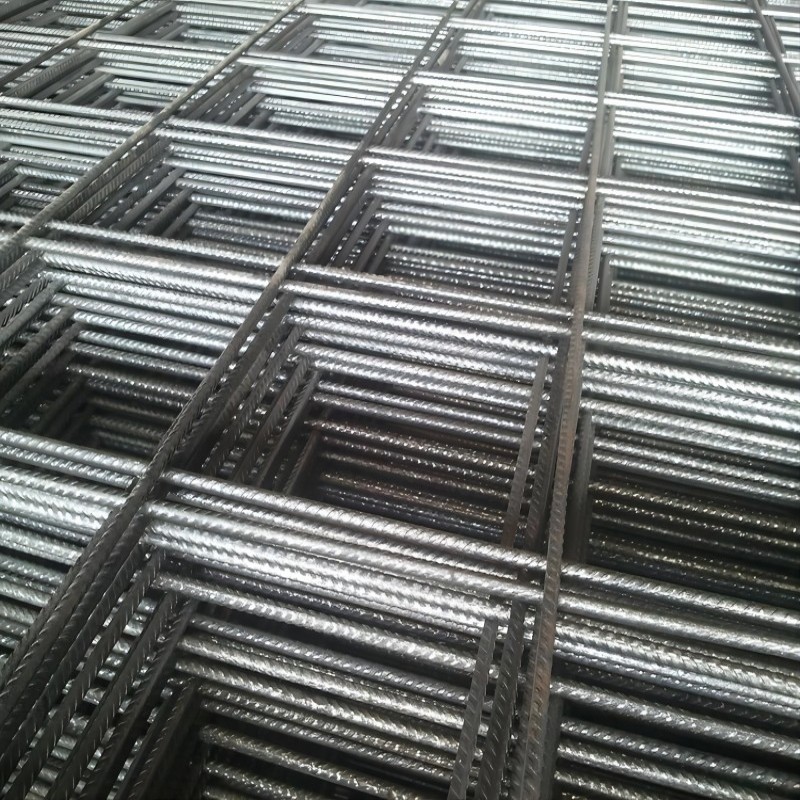
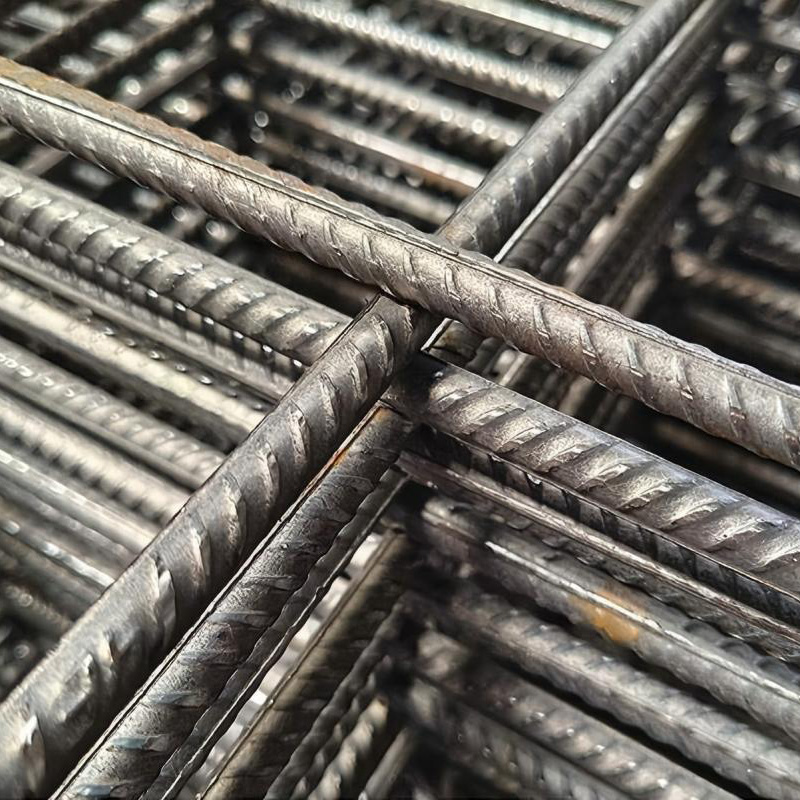
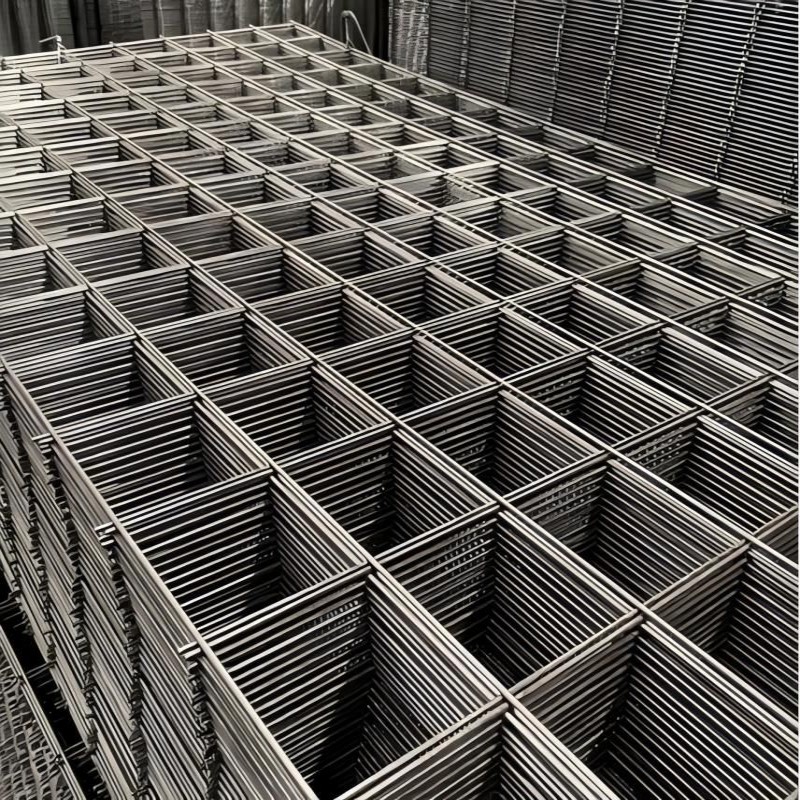
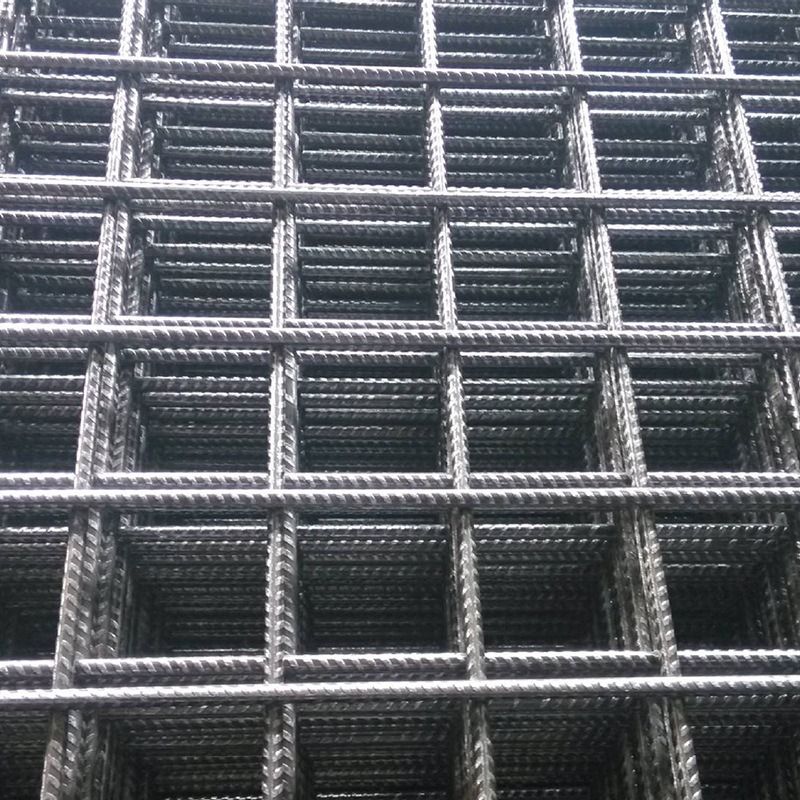
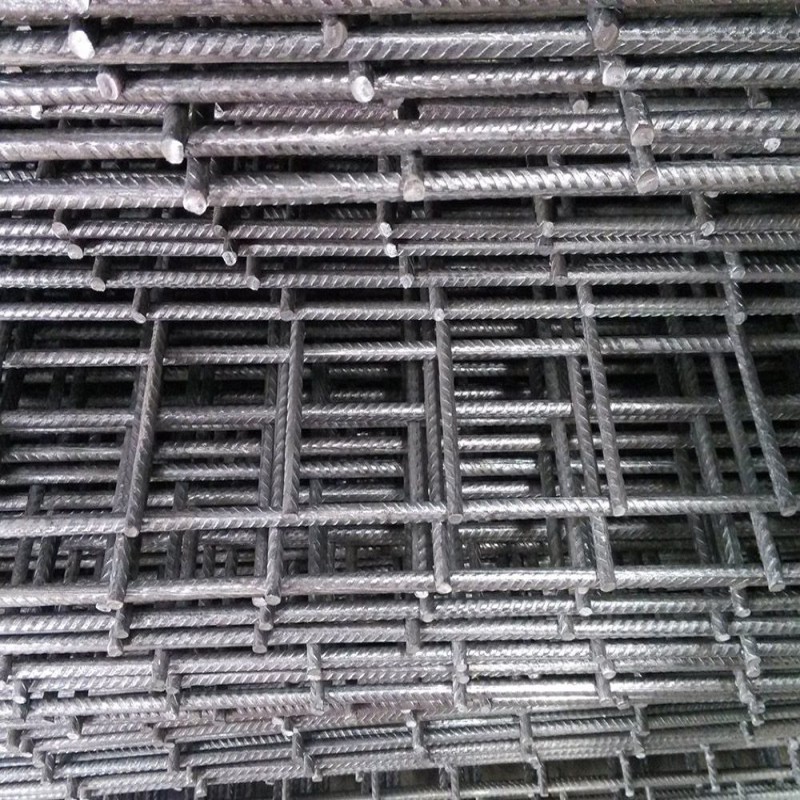
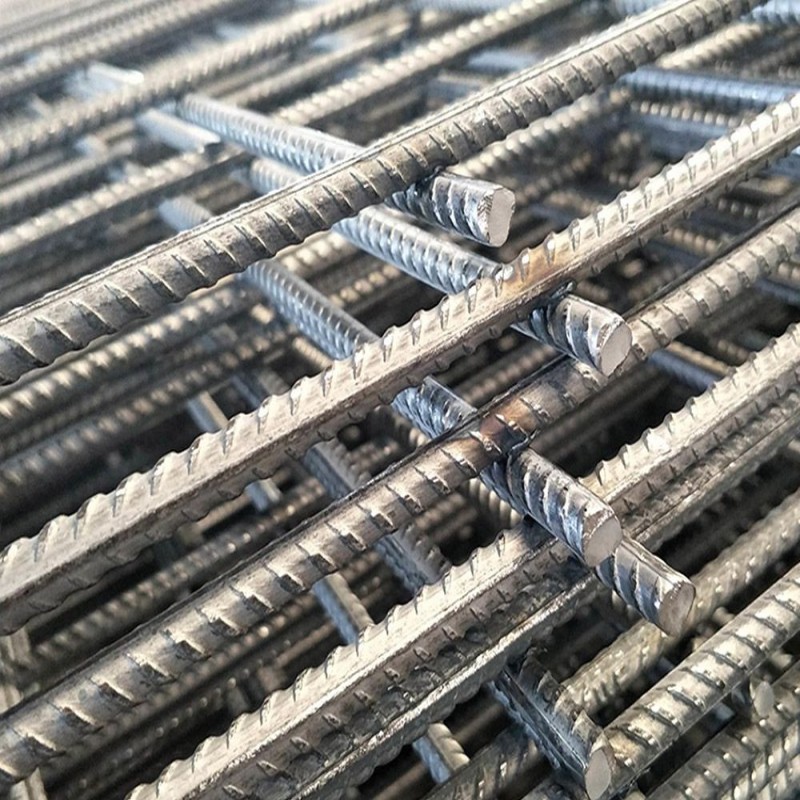
Reinforcing mesh is a welded steel rod grid designed to enhance tensile strength, improve crack resistance, and ensure overall structural integrity in concrete reinforcement. The mesh delivers consistent mechanical performance and stability, making it widely used in slabs, walls, foundations, columns, tunnels, and prefabricated concrete elements.
Key Features
● High tensile reinforcement for concrete structures
● Excellent crack control and load distribution
● Uniform welded joints ensure consistent strength
● Efficient installation for large-scale construction
● Compatible with diverse concrete reinforcement applications
Specification
● Diameter Range: 3.0 – 40 mm
● Series:
o Australia: SL / RL / L8TM / L11TM / L12TM
o Germany: Q & R series
Standards
Reinforcing mesh production follows various international standards, ensuring mechanical reliability, weld quality, and material uniformity:
● AS/NZS 4671:2001
Australian/New Zealand standard governing steel reinforcing materials. Defines mechanical properties, ductility grades, weldability, chemical composition, and testing requirements for reinforcing steel wire and rod.
● BS 4483 & BS 4449 (British Standards)
BS 4483 covers welded steel fabric for concrete reinforcement, specifying mesh dimensions, wire diameter tolerances, and welding quality.
BS 4449 regulates steel reinforcement bars, including yield strength classes, ductility categories, and rib patterns for enhanced bonding with concrete.
● DIN 488 (German Standard)
Defines technical requirements for reinforcing steel bars and welded mats, including permissible tolerances, mechanical parameters, bonding characteristics, and classification into Q & R mesh types.
● Austrian B4200-7
Austrian national standard specifying mechanical properties, corrosion resistance treatment, and conformity assessment for reinforcing steel mesh used in structural concrete systems.